the importance of GUT HEALTH
The definition of gut health
Gut health refers to the state of harmony within the digestive system that promotes optimal digestion, absorption of nutrients, and protection against pathogens and toxins.
Anatomy and Function:
The gut consists of several organs, including the mouth, esophagus, stomach, small intestine, large intestine (colon), rectum, and anus. Each of these organs plays a unique role in the process of digestion and nutrient absorption. The stomach secretes digestive enzymes and gastric acid to break down food, while the small intestine absorbs nutrients such as vitamins, minerals, and carbohydrates. The large intestine is primarily responsible for water absorption and the formation of stool before waste is expelled from the body.
Digestion and Absorption of nutrients
The gut plays a pivotal role in the process of digestion and absorption of nutrients in the intestines Here’s a brief explanation:
1. Digestion: The gut, which includes the mouth, esophagus, stomach, small intestine, and large intestine, is responsible for breaking down food into smaller molecules making them absorbable by the body. Digestion begins with chewing your food, and enzymes in saliva helping to break it down. It then moves to the stomach, where it is further broken down by stomach acids and enzymes.
2. Absorption: The majority of nutrient absorption occurs in the lining of the small intestine. Once absorbed they are distributed to various tissues and organs to support cellular function, growth, and repair.
signs of an unhealthy gut
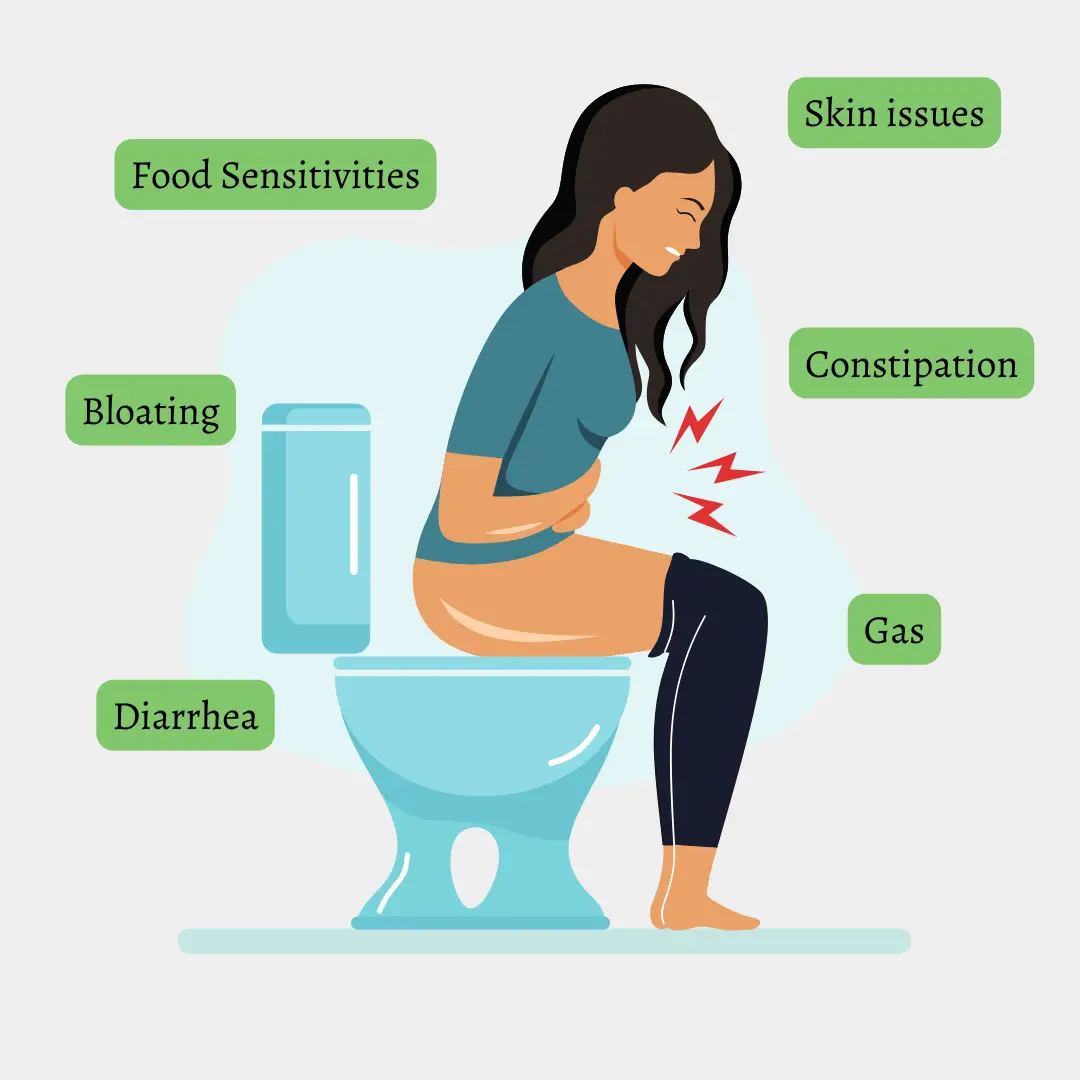
Recognizing the signs and symptoms of an unhealthy gut is crucial in understand the importance of maintaining a healthy gut microbiome. In this section, you will learn how to identify symptoms of gut imbalances, such as gas, bloating, constipation, diarrhea, and food sensitivities. We will also delve into understanding the impact of lifestyle factors like diet, stress, sleep, and medication on gut health.
Gas
When food is not adequately broken down in the stomach and small intestine, it can ferment in the colon, leading to the production of gas. The gut microbiome plays a significant role in fermenting carbohydrates that are not adequately digested, resulting in the production of gases like hydrogen, methane, and carbon dioxide.
Bloating
Excessive gas production, accompanied by flatulence or belching, is often linked to an imbalanced gut. Feeling bloated or experiencing abdominal distension is a prevalent symptom of an unhealthy gut. It occurs when gas accumulates in the digestive system, leading to discomfort and a visibly swollen abdomen. Bloating can be caused by imbalances in the gut microbiome, impaired digestion, or food intolerances.
Constipation
Difficulty passing stool or infrequent bowel movements may indicate poor gut health. When the digestive system lacks sufficient beneficial bacteria or encounters an imbalance, it can lead to sluggish bowel movements and constipation. Insufficient fiber intake, dehydration, and sedentary lifestyle habits can also contribute to this symptom.
Diarrhea
Conversely, persistent diarrhea can also be a sign of an unhealthy gut. Imbalances in the gut microbiome can disrupt the absorption of water and nutrients, leading to loose or watery stools. Infections, food intolerances, or excessive consumption of certain substances may trigger diarrhea.
Food Sensitivities
The gut plays a crucial role in processing and tolerating various foods. However, an unhealthy gut can develop sensitivities or intolerances to certain food groups. Symptoms may include bloating, gas, abdominal pain, diarrhea, or skin issues shortly after consuming specific foods. Identifying and eliminating trigger foods can be instrumental in improving gut health.
Skin Issues
The gut-skin axis highlights the intricate connection between gut health and skin conditions. Poor gut health can contribute to skin issues such as acne, eczema, or rosacea. Inflammation and imbalances in the gut microbiome can trigger systemic inflammation and affect the skin’s appearance and health.
Decrease Immune Function
The gut houses a significant portion of the immune system. A healthy gut microbiome helps protect against harmful pathogens, supports immune responses, and reduces inflammation. Imbalances in the gut can weaken the immune system, making you more susceptible to infections and illnesses.
Chronic Fatigue
Long-term fatigue and low energy levels may result from poor nutrient absorption caused by an unhealthy gut
how healthy is your gut
take the quiz and find out
This assessment is designed to evaluate your current gut health habits and uncover potential issues that you may not realize is affecting your well-being. By gaining insights into the state of your gut health, you can address underlying issues, optimize your digestion, and enhance your overall health and vitality.
FACTORS AFFECTING GUT HEALTH
The gut-brain axis is highly sensitive to stress, and psychological factors can significantly impact gut health. Stress activates the release of stress hormones, such as cortisol, which can disrupt the balance of gut bacteria, increase gut permeability (leaky gut), and contribute to inflammation. Additionally, stress can alter gut motility, leading to symptoms like diarrhea or constipation.
The food we consume plays a crucial role in shaping the composition and diversity of the gut microbiota. Our eating habits have a significant impact on our gut health. Overindulging in processed foods, refined sugars, artificial additives, and unhealthy fats can seriously damage your gut microbiome. These dietary “bad guys” not only deprive good bacteria of nutrients but also promote the growth of harmful microbes.
Sleep deprivation or poor sleep quality can negatively affect gut health. Disruptions in the sleep-wake cycle can impair the balance of gut bacteria and increase the production of inflammatory markers. Additionally, sleep disturbances have been linked to conditions like gastroesophageal reflux disease (GERD) and inflammatory bowel disease (IBD).
While antibiotics are essential for fighting bacterial infections, they can also have unintended consequences on gut health. Antibiotics not only target harmful bacteria but can also disrupt the beneficial bacteria in the gut. This disturbance can lead to an overgrowth of opportunistic pathogens, such as Clostridium difficile (C. difficile), causing antibiotic-associated diarrhea and other digestive complications.
Chronic systemic inflammation, often associated with conditions like obesity, diabetes, and autoimmune diseases, can impact gut health. Inflammation in the body can alter the gut environment, leading to an imbalance in the gut microbiota and compromised gut barrier function. This can further perpetuate inflammation and contribute to the development of chronic gastrointestinal disorders.
Exposure to environmental toxins, such as pesticides, heavy metals, and pollutants, can have detrimental effects on gut health. These toxins can disrupt the balance of the gut microbiota, impair gut barrier function, and promote inflammation.
can impair gut motility, slow digestion, and compromise the diversity of the gut microbiome. Regular exercise promotes gut health by enhancing blood flow to the intestines, stimulating peristalsis, and fostering a diverse microbial ecosystem.
When you know better you do better

Gain a better understanding of the importance of GUT HEALTH
“I believe that understanding the reasons behind certain actions makes you more inclined to implement changes effectively.”
I created an eBook which explains the importance of maintaining a healthy gut, it outlines the necessary changes, and illustrates how these changes can reduce your risk of chronic diseases.
I’ve also included a 7-day meal plan designed to reset and support your gut health. The meals are carefully curated to enhance gastric motility, nourish the beneficial gut microbiome, and support the repair of the gastric lining. Through this process, you’ll experience improved digestion, enhanced nutrient absorption, and a reduction in symptoms such as constipation, gas, and bloating
HERE’S WHAT ‘S INSIDE
In this eBook, we will explore the importance of maintaining a healthy gut, which is essential for digestion, nutrient absorption, and protection against foreign pathogens and toxins. This Ebook is designed to give you a better understanding of the importance of maintaining a health gut along with manageable actions to improve the health of yours. You will have a better understanding on everything below.
Culprits of an unhealthy gut
How to recognize the signs & symptoms
How your body processes nutrients
Explanation of Macro vs Micro nutrients
The importance of good gut bacteria
The difference between prebiotics & probiotics
A clear understanding of the GUT-BRAIN connection
7 DAY Meal Plan
Enhancing your gut health can significantly improve your chances of living a healthier and longer life.
Not interested in learning how your gut works and just want the fix?
Grab my 7 day routine & meal plan to reset your gut so you can start feeling healthy

7 day Meal plan
I've designed a 7-day meal plan to facilitate and reset your gut health. Each day is carefully curated to enhance gastric motility, nourish beneficial gut microbiome, and support the repair of the gastric lining.
Through this process, you'll experience improved digestion, enhanced nutrient absorption, and a reduction in symptoms like constipation, gas and bloating.
The Meal Plan is divided into morning, afternoon, and evening routines, making it easy to prepare and ensuring that healthy eating becomes a breeze.
Additionally, I've included a variety of nutritious snack options to keep you satisfied throughout the day. Get ready to nourish your body and transform your gut health with these wholesome and satisfying meals.
