what is gut microbiome?
The Gut Microbiome:
are the organisms that live in your gut. A healthy gut microbiome is characterized by a balanced ratio of good bacteria to bad bacteria. Any disruptions in this balance could potentially contribute to various health problems.
The Role of the Gut Microbiome:
The gut microbiome is essential for digestion, immune function, metabolism, brain-gut communication, and protection against pathogens. IIt helps break down food, produces essential nutrients, regulates the immune system, influences mood and mental health. Moreover, the gut microbiome plays a crucial role in breaking down vitamins and transporting them to your cells. Maintaining a diverse and balanced mix of good and bad gut bacteria is crucial for overall health and can be achieved through a healthy diet, lifestyle, and probiotic supplementation.
Disturbance of Gut Microbiome:
An imbalance in gut microbiota, known as dysbiosis, has been linked to a range of health issues, including digestive disorders, inflammation, immune dysfunction, and metabolic disorders. Good gut bacteria require nutrients to grow, while bad gut bacteria thrive in the absence of nutrients. This imbalance can lead to various health issues.
Influential Factors of Gut Microbiome:
Many factors have the potential to disturb the equilibrium of the gut microbiome, leading to compromised gut health.
The primary cause of imbalances in the gut microbiome is unhealthy dietary habits.
Consuming an excess of processed foods, sugary foods, and unhealthy fats can promote the growth of harmful gut bacteria due to their lack of essential nutrients. When the ratio of harmful gut bacteria exceeds that of beneficial ones, it disrupts the normal functioning of your gut. This disruption affects food digestion, nutrient absorption, and the body’s energy transport capabilities.
This imbalance can ultimately manifest in various ways, such as
bloating,
gas,
constipation,
diarrhea,
abdominal pain,
and indigestion.
An imbalance in gut microbiome may also present as a food sensitivities, skin issues, fatigue, and mood disturbances.
Other factors that affect the gut microbiome include chronic stress, lifestyle choices, antibiotic usage, inadequate sleep, sedentary lifestyles.a nd environmental exposures can significantly influence the composition and diversity of the gut microbiome. These factors can contribute to gut dysfunction by triggering inflammation and slowing gut motility.
Let's explore the role microbiome plays in gut health.
- DIGESTION
- IMMUNE FUNCTION
- METABBOLISM
- GUT-BRAIN COMMUNICATION
- PATHOGEN PROTECTION
Gut microbiome, also known as gut bacteria and the role plays in gut health.
Gut microbiome is a remarkable ecosystem. It’s responsible for breaking down our food, absorbing essential nutrients, and even acts as a vigilant guardian against harmful pathogens. The way it regulates our immune system is nothing short of impressive, and its influence on our mood and mental health is truly fascinating. The gut microbiome’s contributions to our digestion, metabolism, and brain-gut communication are invaluable.
Let’s explore how prebiotics and probiotics help restore the balance between beneficial and harmful microbes in the microbiome.
Prebiotics: These are non-digestible fibers that serve as fuel for the beneficial microbiome in the gut. They essentially act as food for probiotics, promoting their growth and activity.
Probiotics: are live microorganisms, primarily bacteria and some yeasts, that confer health benefits when consumed in adequate amounts. These friendly bacteria colonize the gut, aiding in digestion, nutrient absorption, and improving the immune function.
Prebiotics and probiotics play essential roles in restoring microbial balance in the gut by promoting the growth of beneficial bacteria and creating an environment conducive to their growth.
In combination, prebiotics and probiotics exert synergistic effects on the gut microbiota, promoting a diverse and resilient microbial community that supports digestive health and overall well-being. By restoring microbial balance, these foods and supplements contribute to improved nutrient absorption, enhanced immune function, reduce inflammation, and protect against gastrointestinal disorders.
Individual responses to prebiotic and probiotic supplementation may vary, and it’s essential to choose appropriate strains and doses based on specific health needs and considerations.
Probiotics are your gut’s best friend, but with so many options, knowing what to look for when choosing is essential.
I added one of my favorite probiotics below.
Improving gut health means incorporating gut-friendly foods into your diet. These foods provide essential nutrients, fiber, prebiotics, and probiotics that promote a diverse and balanced gut microbiota.
Here are some of the top Probiotic foods:
Fiber-rich Veggies and Fruits
- Berries (raspberries, blueberries, strawberries)
- Apples
- Pears
- Avocados
- Oranges
- Broccoli
- Brussels sprouts
- Carrots
- Spinach
- Kale
Fiber-rich Veggies and Fruits
- Berries (raspberries, blueberries, strawberries)
- Apples
- Pears
- Avocados
- Oranges
- Broccoli
- Brussels sprouts
- Carrots
- Spinach
- Kale
Prebiotic-rich Foods
- Garlic
- Onions
- Leeks
- Asparagus
- Bananas
- Jerusalem artichokes
- Chicory root
- Oats
- Barley
- Flaxseeds
Probiotic-Rich Foods
- Yogurt (with live and active cultures)
- Kefir
- Cottage cheese (with live cultures)
- Soft cheese (eg. Gouda)
- Buttermilk
- Sourdough bread (made with a natural fermentation process)
Whole-grains
- Quinoa
- Brown rice
- Oats
- Barley
- Buckwheat
- Whole wheat bread (look for 100% whole grain)
Healthy Fats
- Avocado
- Olive oil (extra virgin)
- Coconut oil
- Flaxseed oil
- Chia seeds
- Fatty fish (salmon, mackerel, and sardines)
Nuts and Seeds
- Almonds
- Walnuts
- Flaxseeds
- Chia seeds
- Pumpkin seeds
- Sunflower seeds
Spices and Herbs
- Cardamom
- Ginger
- Turmeric
- Cumin
- Fennel
- Garlic
- Cloves
- Cinnamon
Bone Broth
- Chicken bone broth
- Beef bone broth
Remember, incorporating a variety of these gut-friendly foods into your diet is key to providing a wide range of nutrients and beneficial compounds for your gut microbiota. It’s also important to listen to your body and make adjustments based on individual preferences and tolerances.
I created a 7-day meal plan to get you started on your gut healthy journey.
This plan eliminates the guesswork of what to eat, allowing you to start with ease and will help you develop your own meal options.
I’ve put together this awesome 7-day meal plan that’s gonna do wonders for your gut health. It’s super easy to follow and will give your tummy a much-needed reboot. I’ve made sure each day is packed with foods that’ll get things moving smoothly in your gut, feed all those good bacteria hanging out in there, and help patch up your stomach lining. Trust me, your belly’s gonna thank you for this!
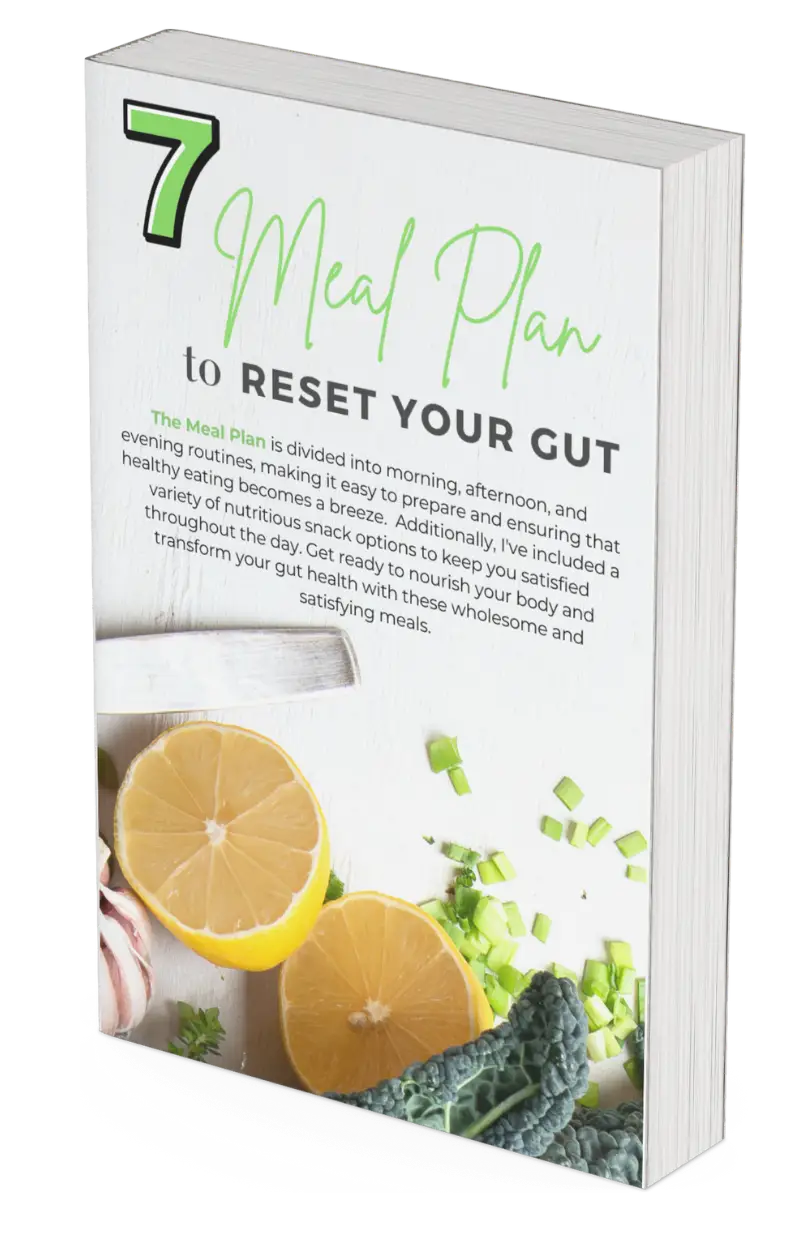
7 day Meal plan
I've designed a 7-day meal plan to facilitate and reset your gut health. Each day is carefully curated to enhance gastric motility, nourish beneficial gut microbiome, and support the repair of the gastric lining.
Through this process, you'll experience improved digestion, enhanced nutrient absorption, and a reduction in symptoms like constipation, gas and bloating.
The Meal Plan is divided into morning, afternoon, and evening routines, making it easy to prepare and ensuring that healthy eating becomes a breeze.
Additionally, I've included a variety of nutritious snack options to keep you satisfied throughout the day. Get ready to nourish your body and transform your gut health with these wholesome and satisfying meals.
